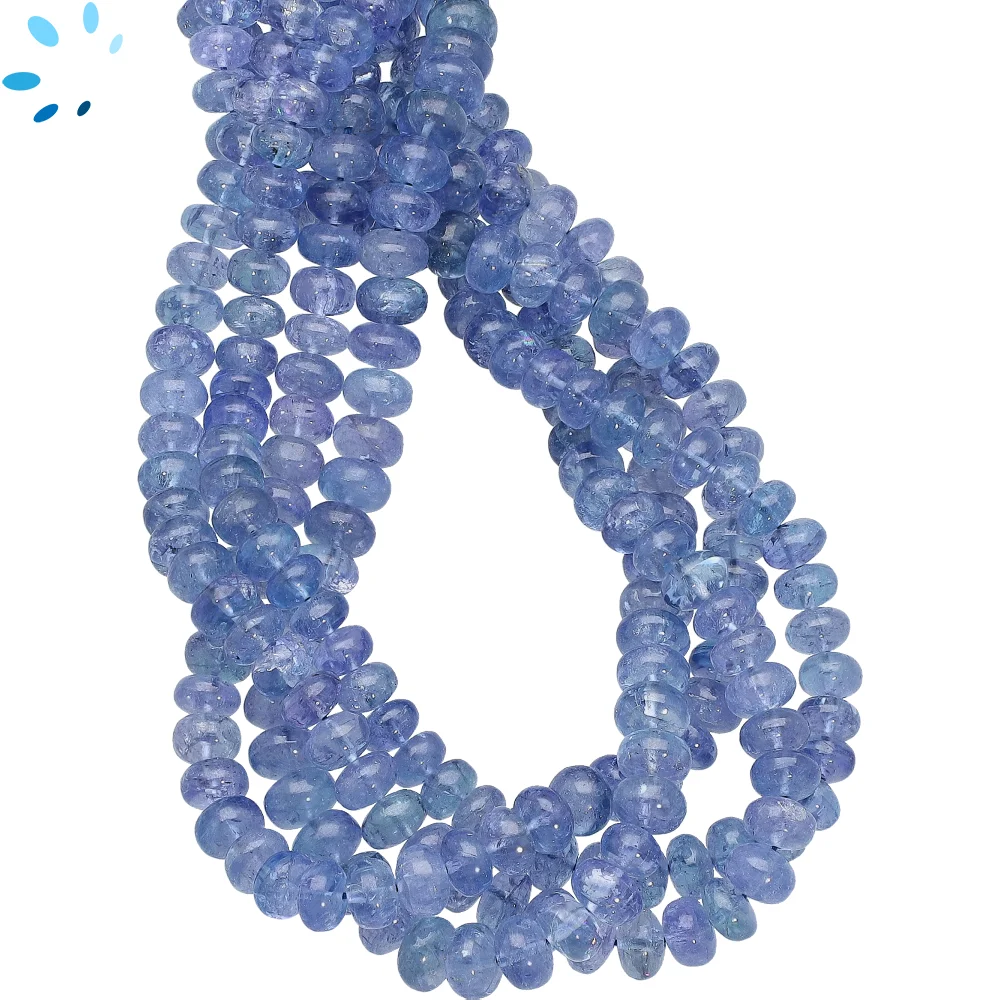
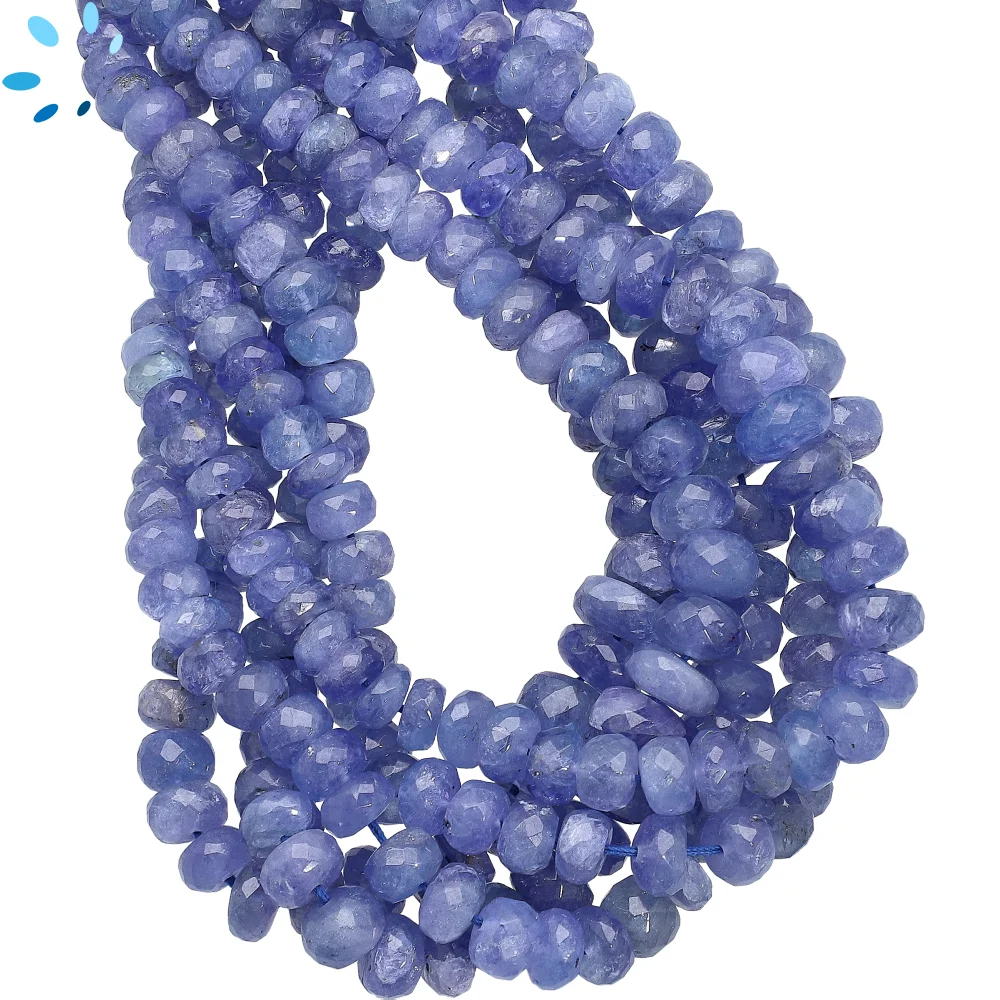
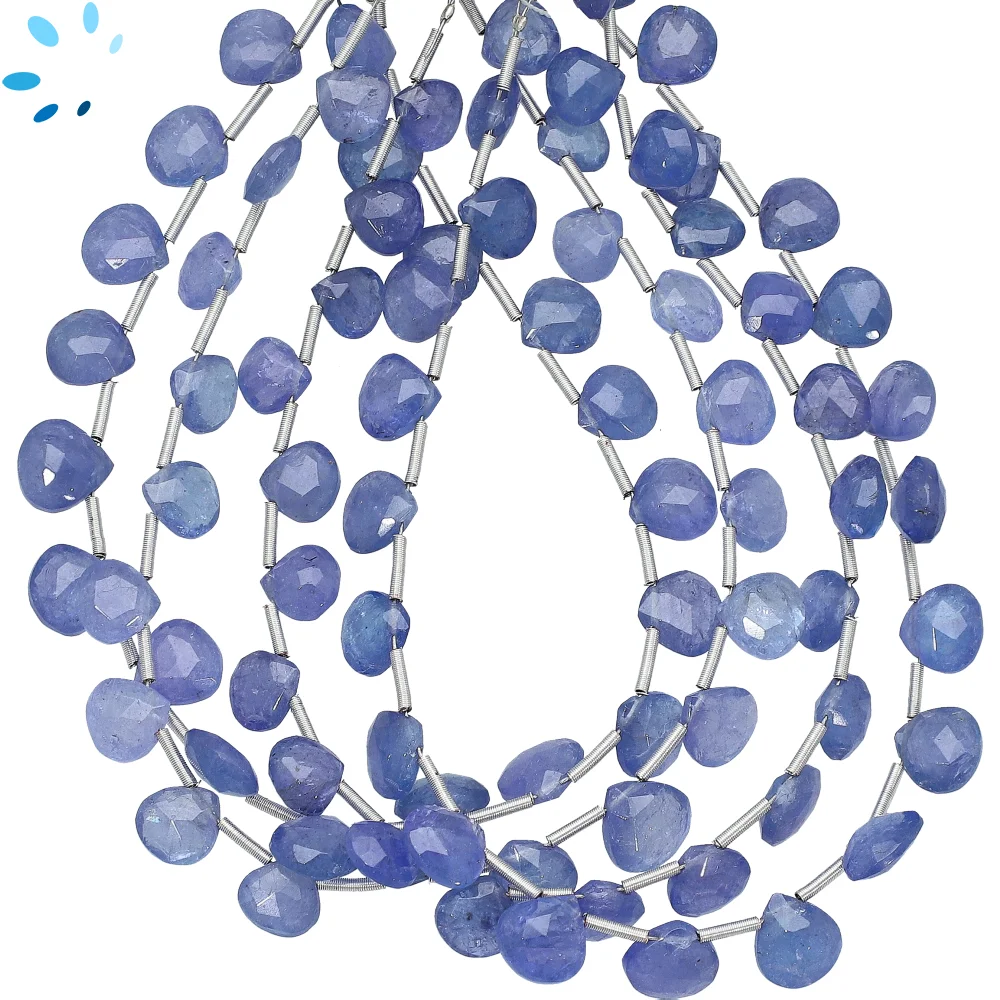
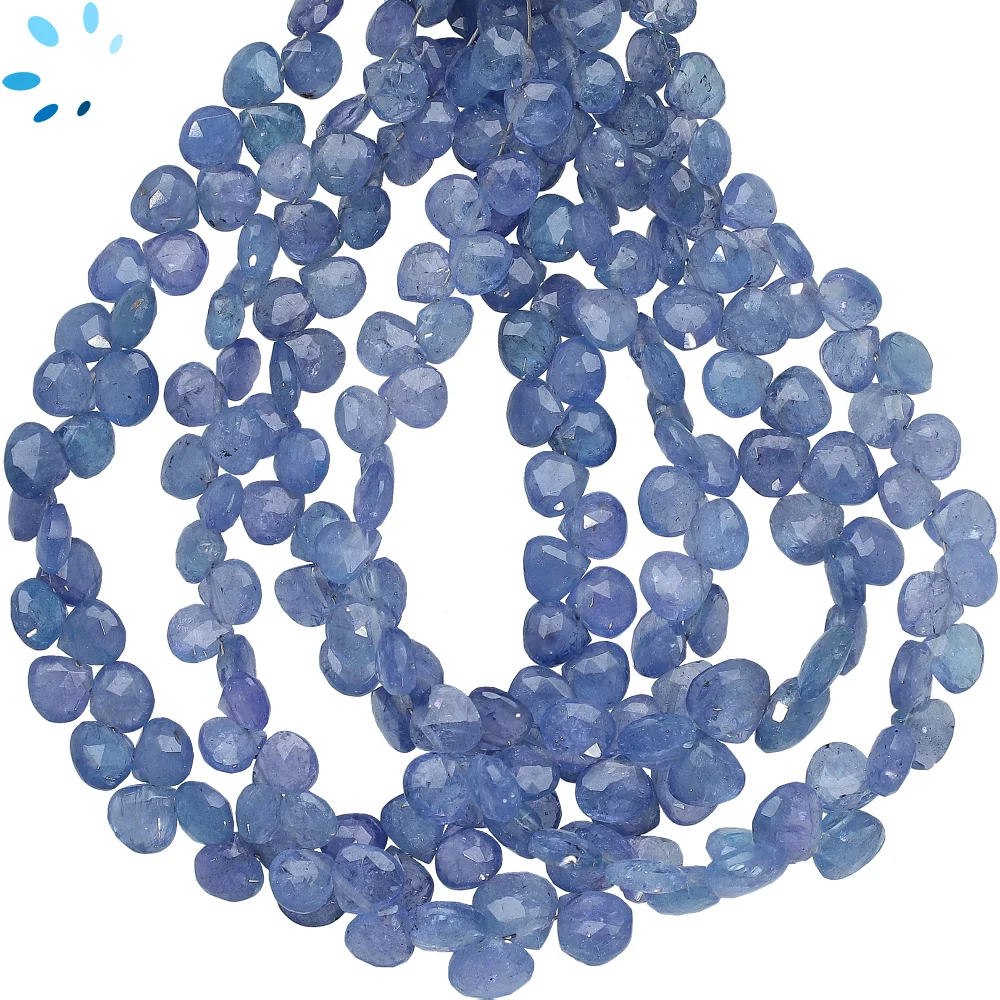
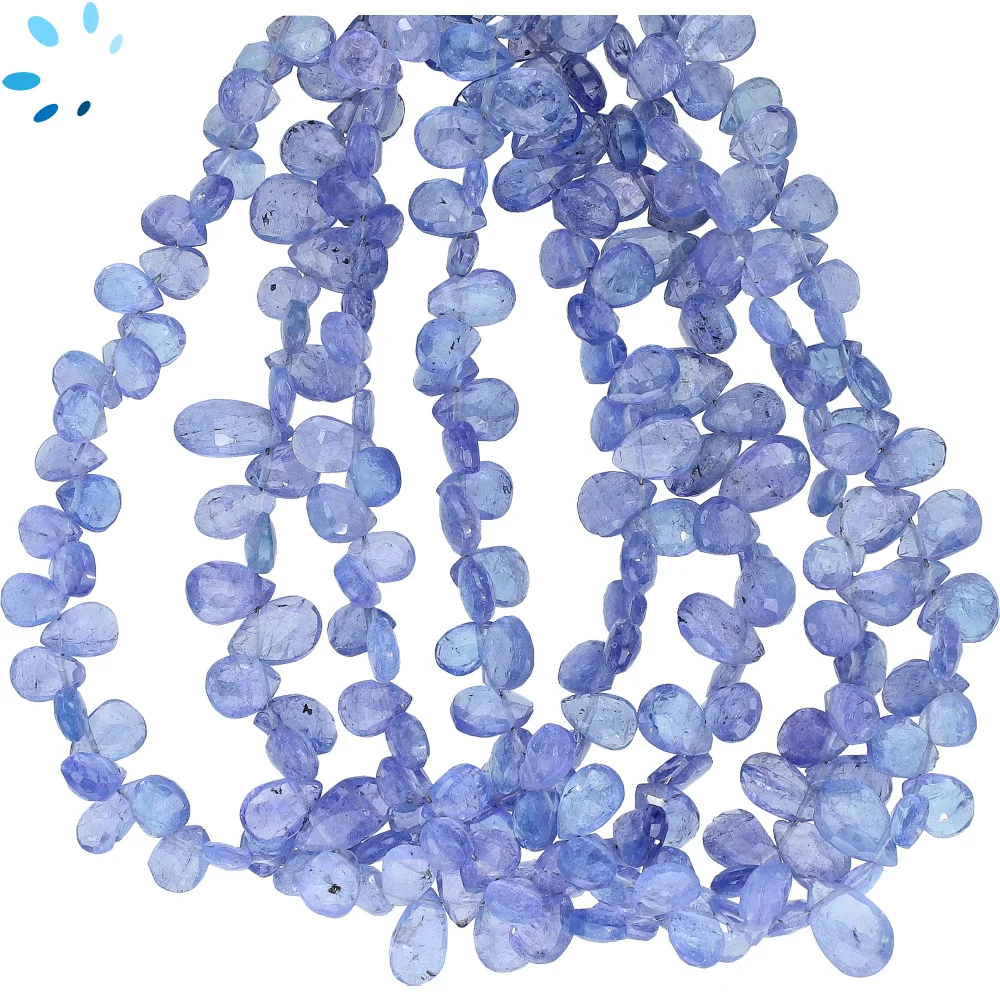
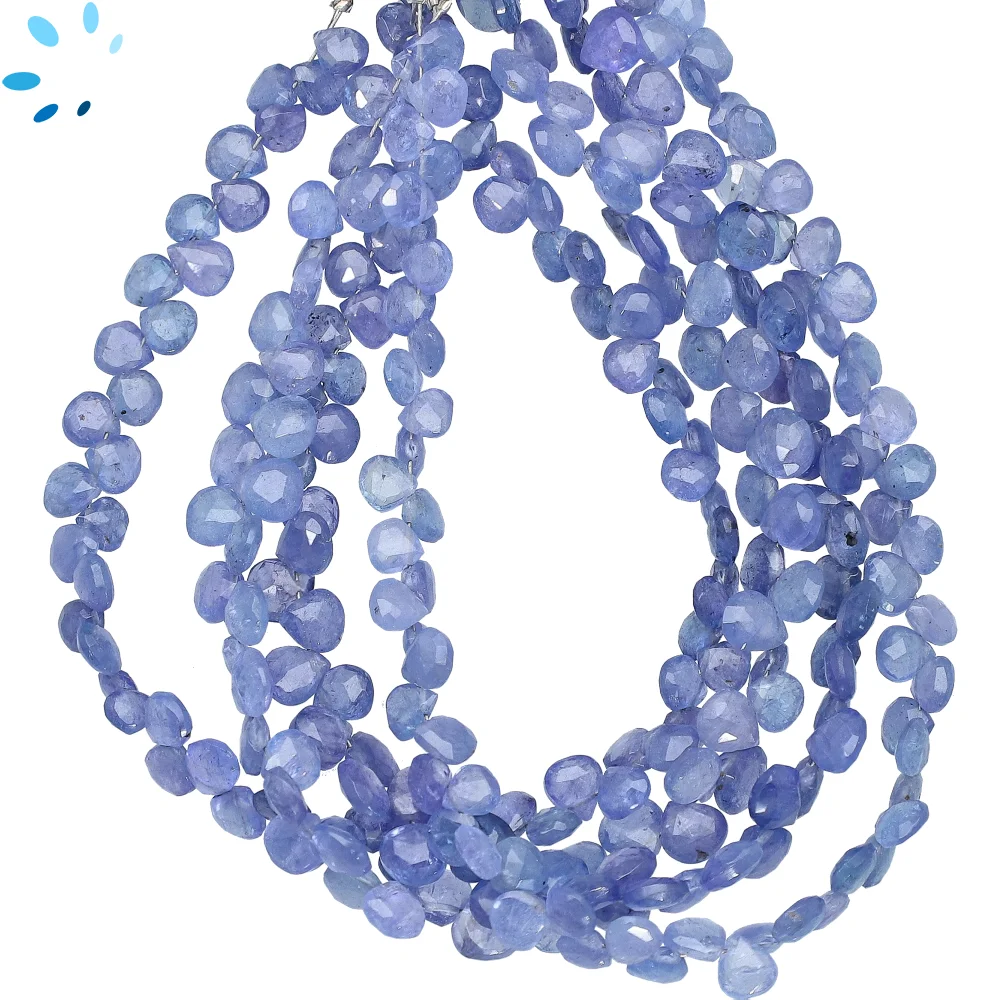
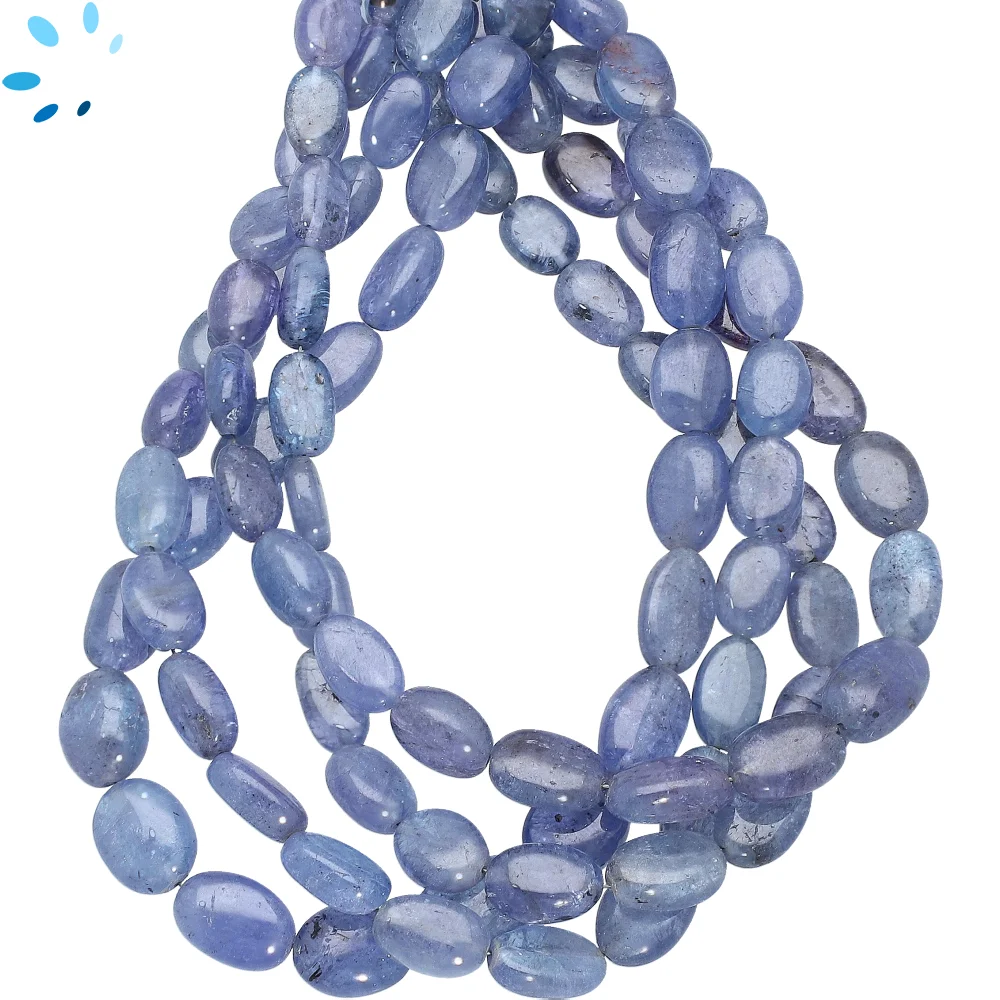
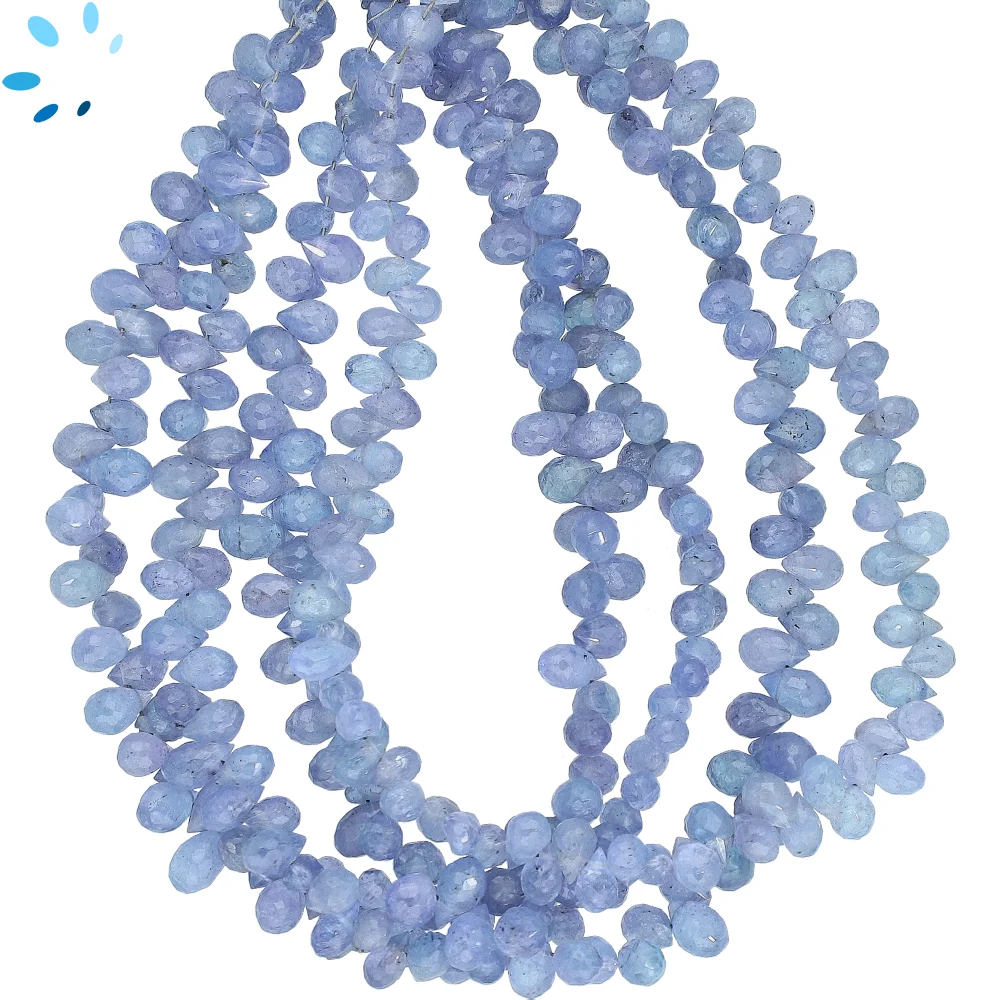
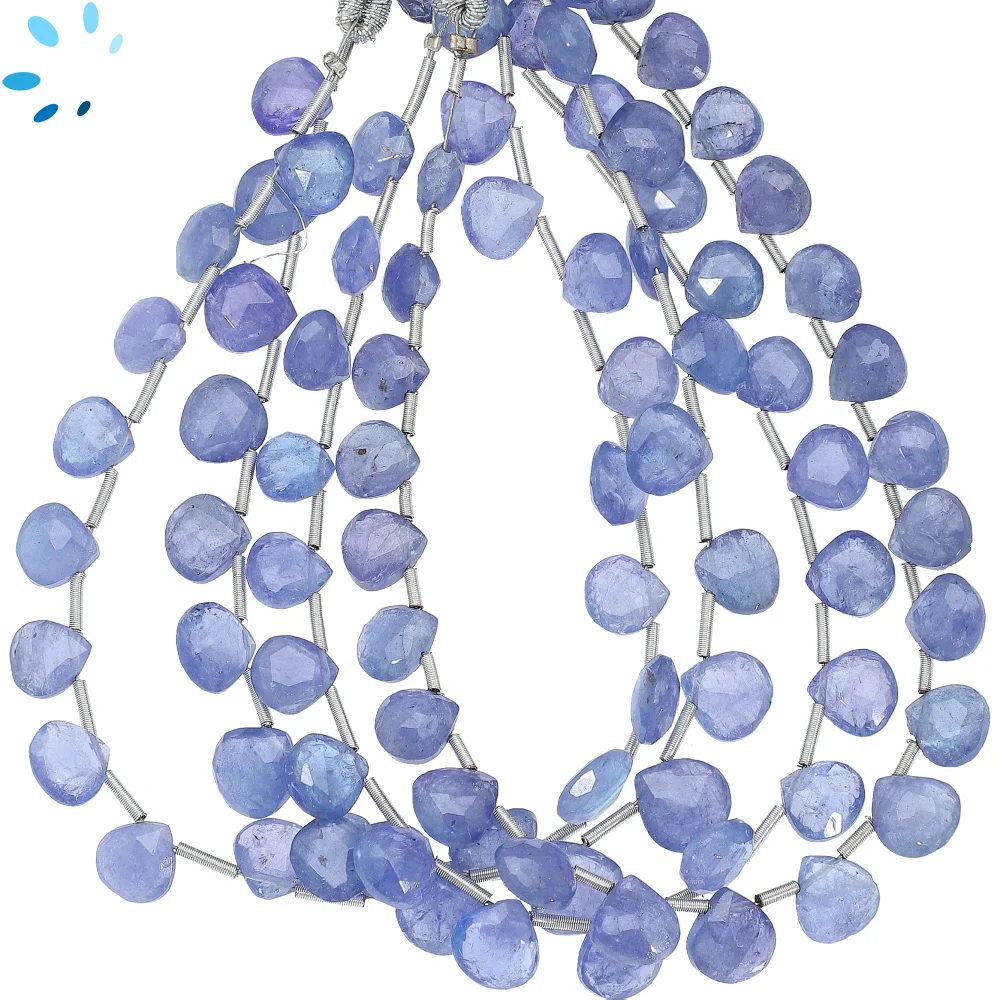
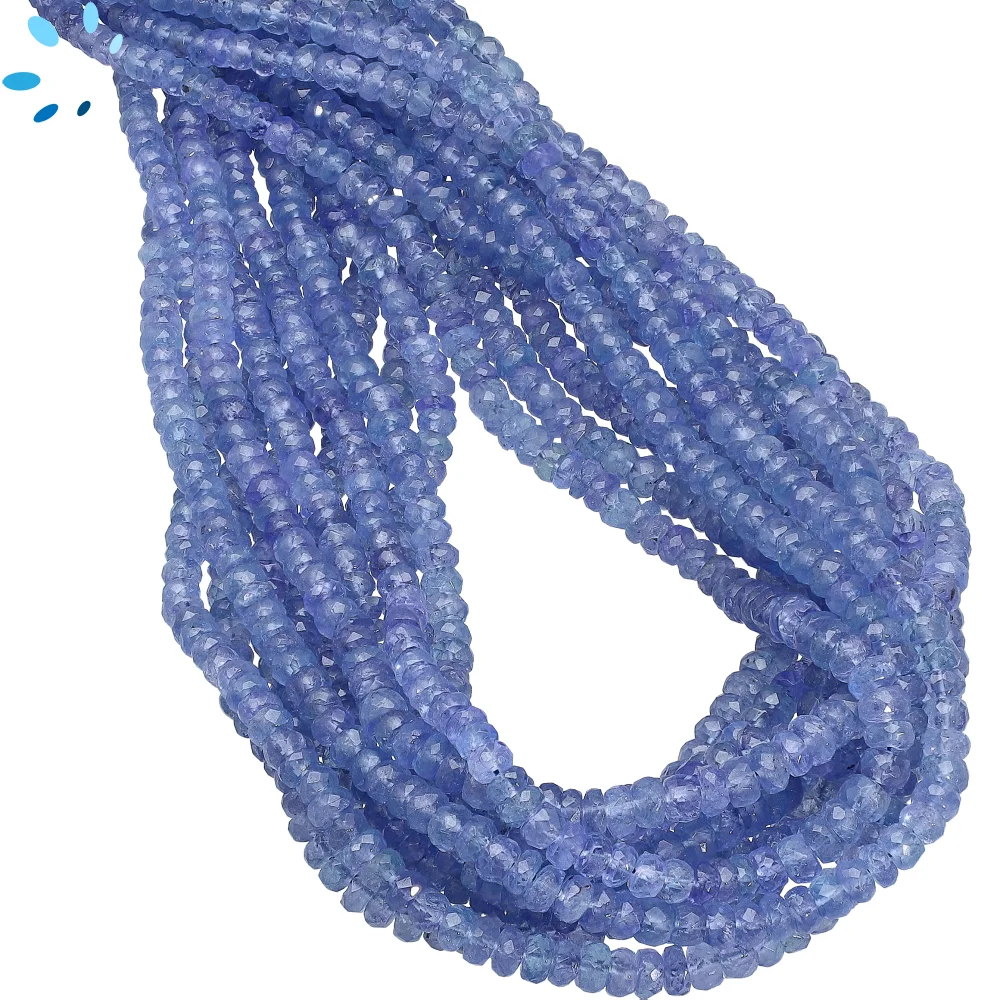
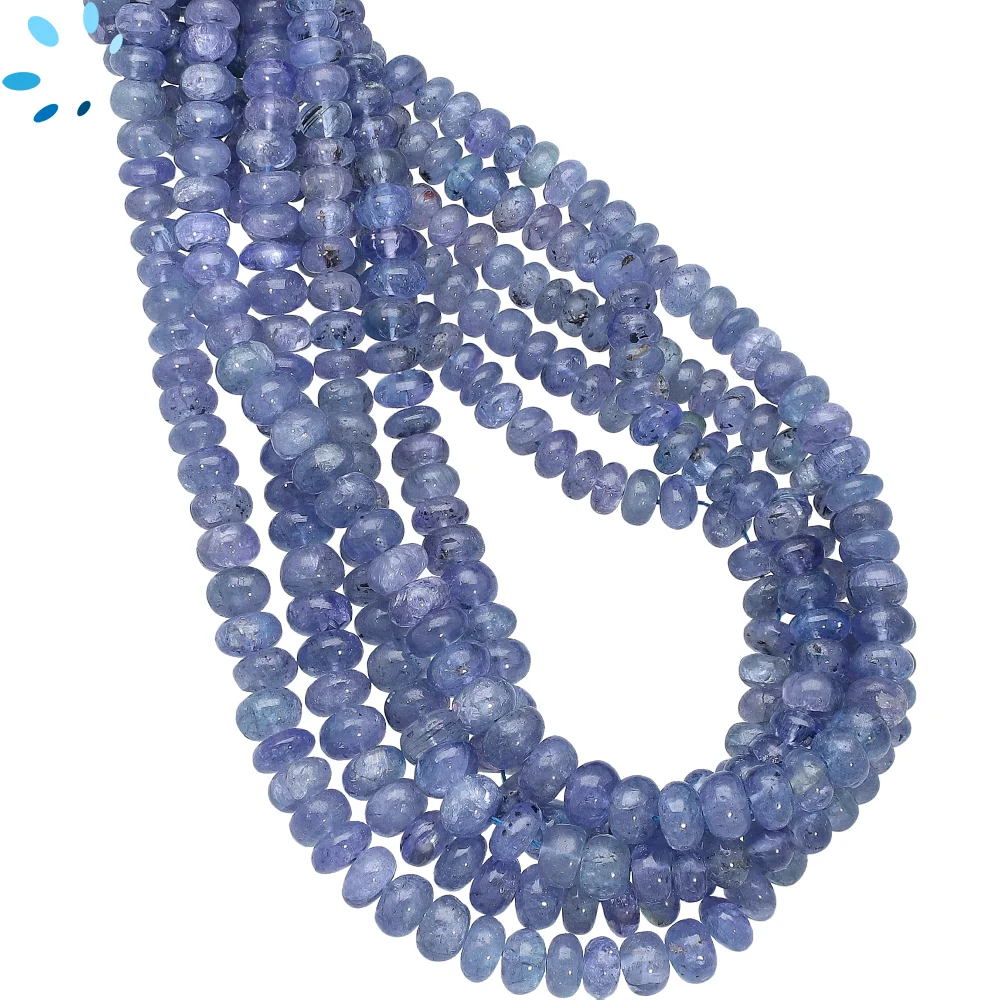
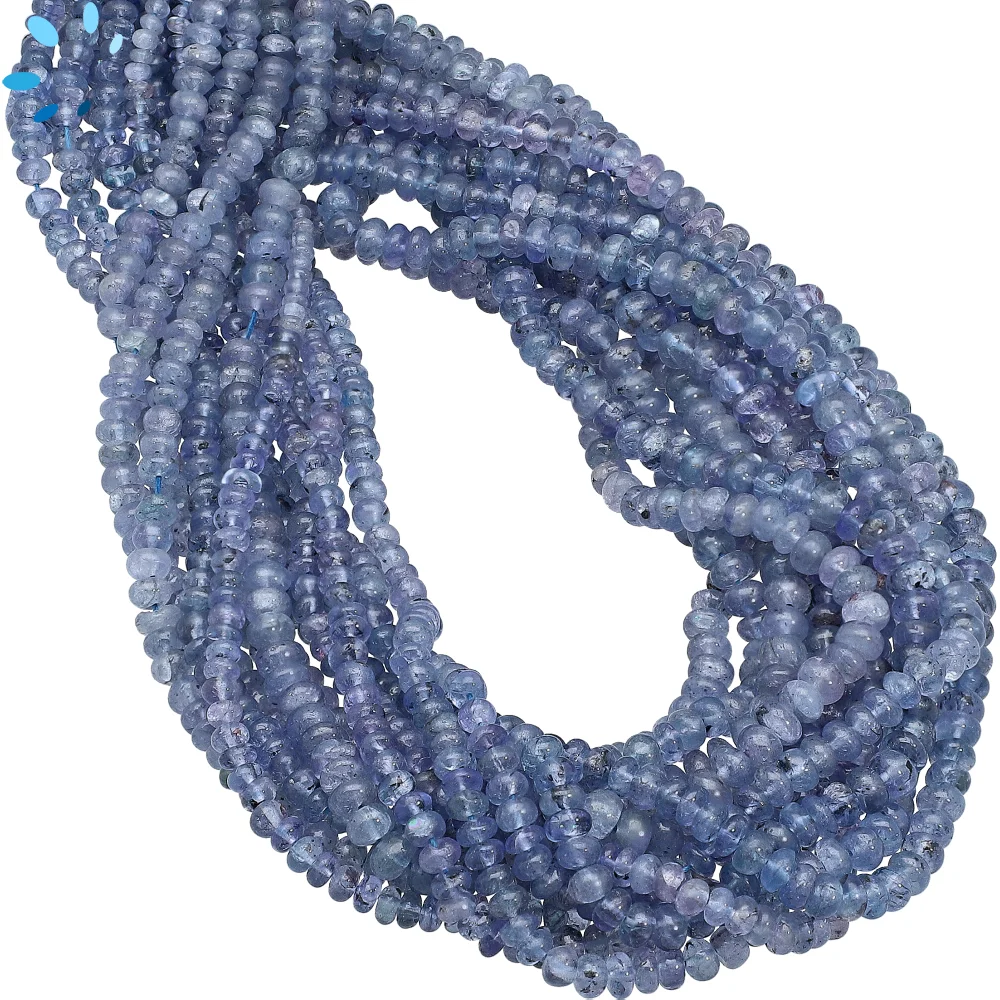
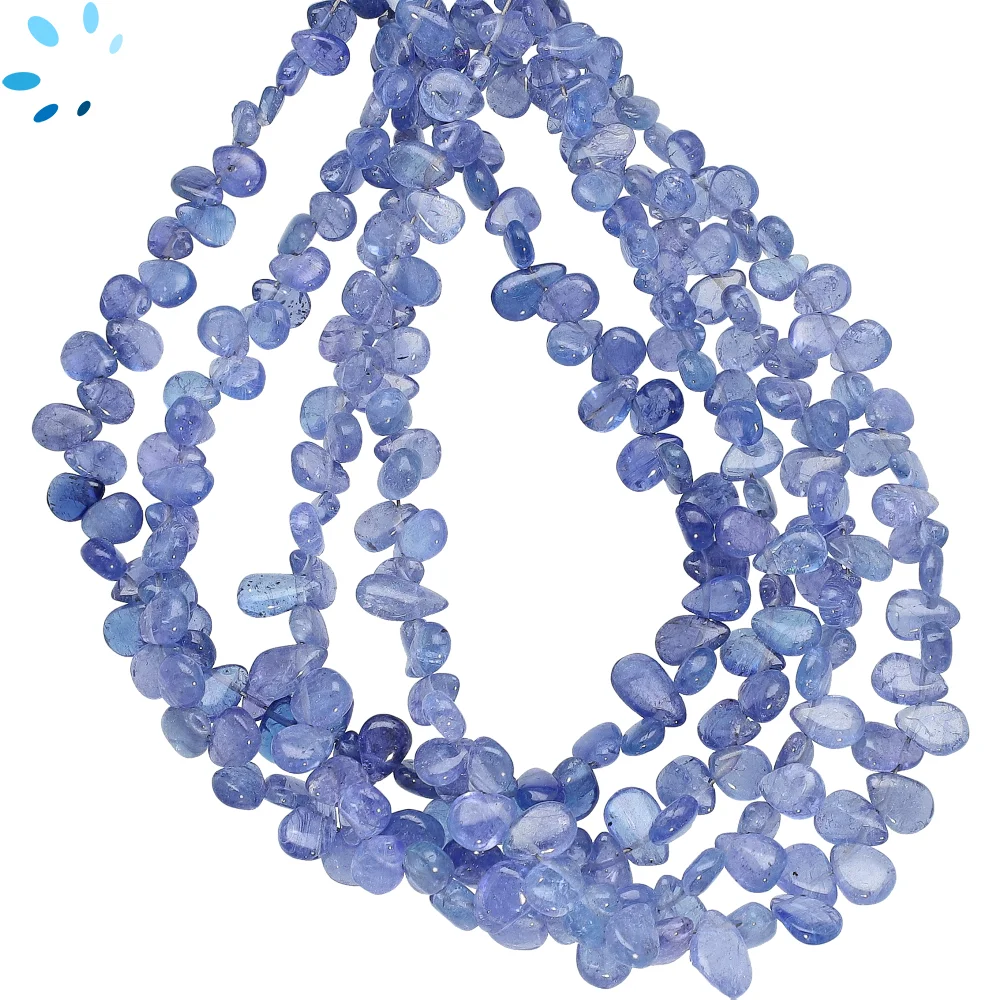
Immersed in electrical energies and blue to violet hues, tanzanite whispers the tale of the moonlit majesty. A fairly recent discovery in 1967 in Tanzania, tanzanite is a variety of zoisite that was initially misunderstood as a sapphire before getting its due recognition by Tiffany & Co. and the Gemological Institute of America (GIA). Named after its origin in Tanzania, this crystal is unparalleled, exceeding the rarity of diamonds and being acknowledged as a precious heirloom. Exclusively found in the Merelani area of Tanzania, this magnificent stone gained overnight appeal owing to the promotional campaign launched by Tiffany & Co. in 1968, which popularized it among gemologists, jewelry designers, and other enthusiasts. Today, its celestial properties, luxurious aesthetics, and eternal allure make it a great resource for jewelry making.
Structural Integrity
Several geological conditions, including tectonic plate activity, intense heat, and pressure, in addition to regional metamorphism, result in the formation of tanzanite. When the tectonic plates collide, the igneous rocks undergo regional metamorphism due to extreme pressure that makes them reach near the melting point, which further produces crystal structures and gems. Tanzanite is formed with the coming together of minerals from two different plates that are specific to the region of Tanzania, making it a finite resource of unique formation.
Tanzanite gemstone beads have a blue hue with violet undertones that is owed to the presence of vanadium, and when viewed from different angles, the stone’s trichroic nature highlights varying shades of blue, violet, and sometimes brown or red. Tanzanite is a durable stone with a hardness of 6.5 to 7 on the Mohs scale, transparent to translucent optical property, and a vitreous luster that gives the stone depth and meaning.
Real or Imitation? Know the Difference
Color:
Real tanzanite displays different shades of blue, violet, or purple when viewed from diverse angles or under different lights. However, a counterfeit product might display a more consistent shade from varying angles.
Inclusions:
The real deal will contain inclusions within its structure, while the fake might look too “perfect”.
Durability:
While real tanzanite is heavy and hard, the fake might feel lighter and more prone to scratches.
Upkeep and Maintenance
Tanzanite is a craft of nature meant to shine and sparkle for eternity, so it’s important to properly care for this celestial beauty. Here are a few tips to preserve its charm:
1. Avoid using harsh chemicals or rigorous methods of cleaning.
2. Use a soft cloth or brush to gently clean the stone beads with warm, soapy water.
3. Pat it dry with a soft cloth.
4. Avoid wearing tanzanite beads and stones during difficult tasks.
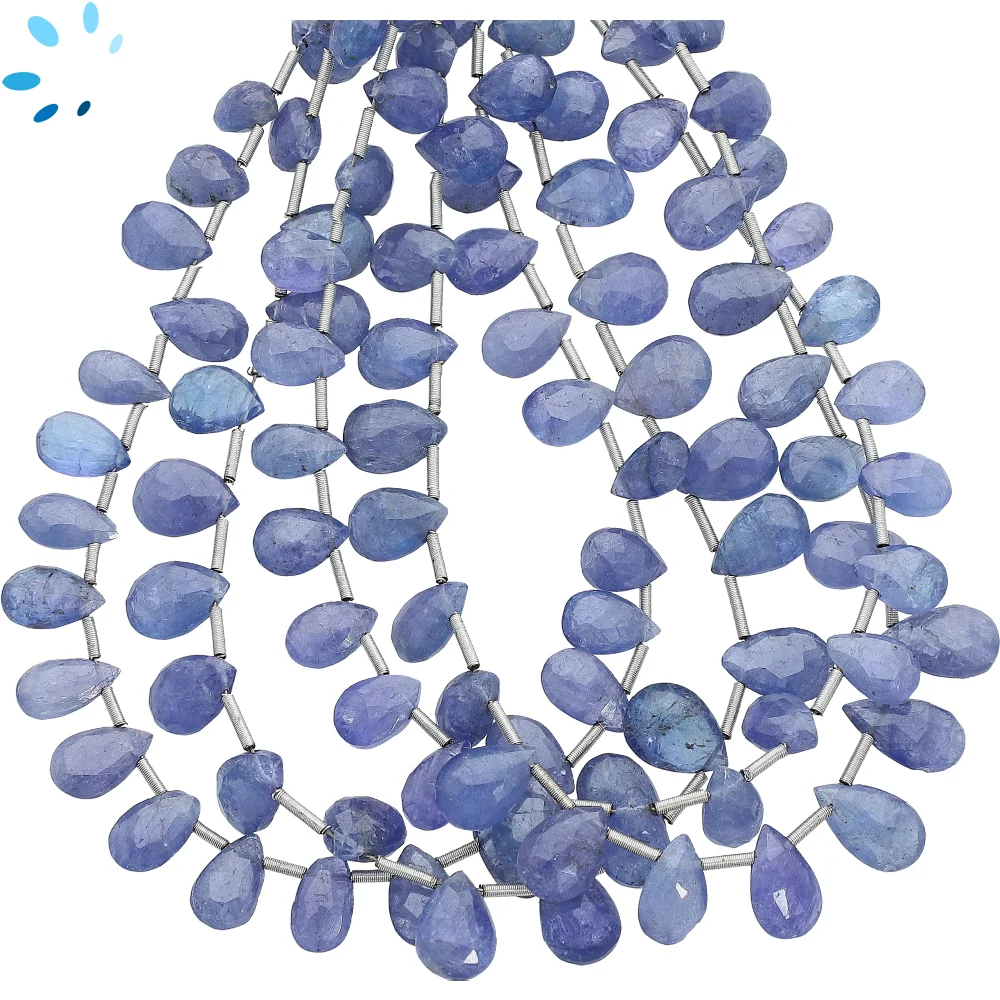
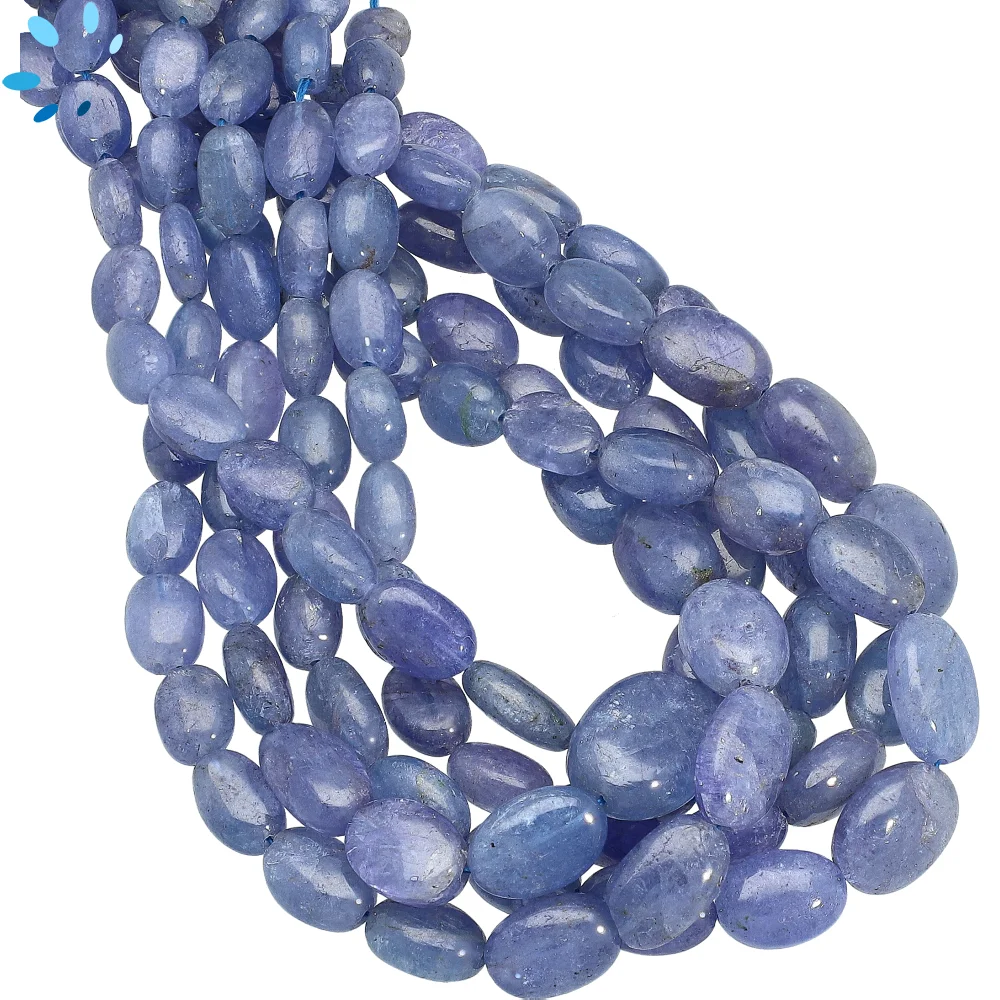
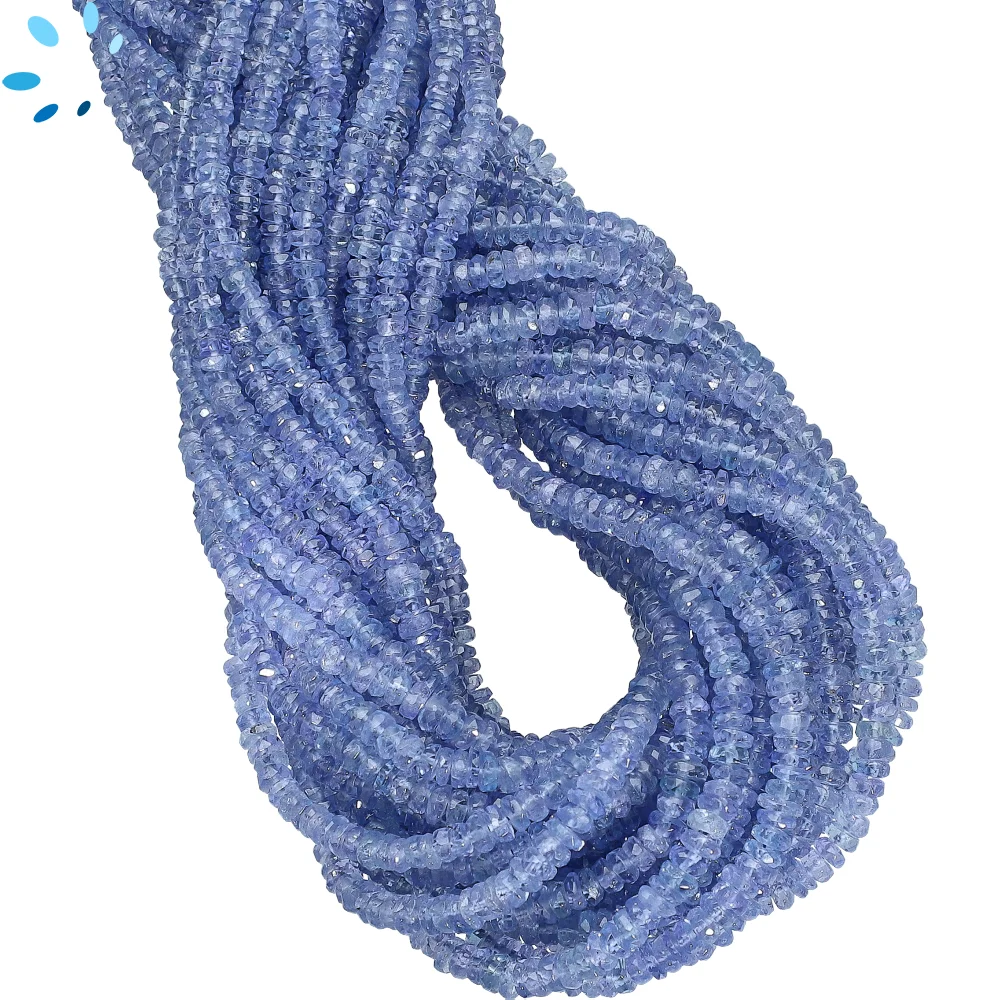
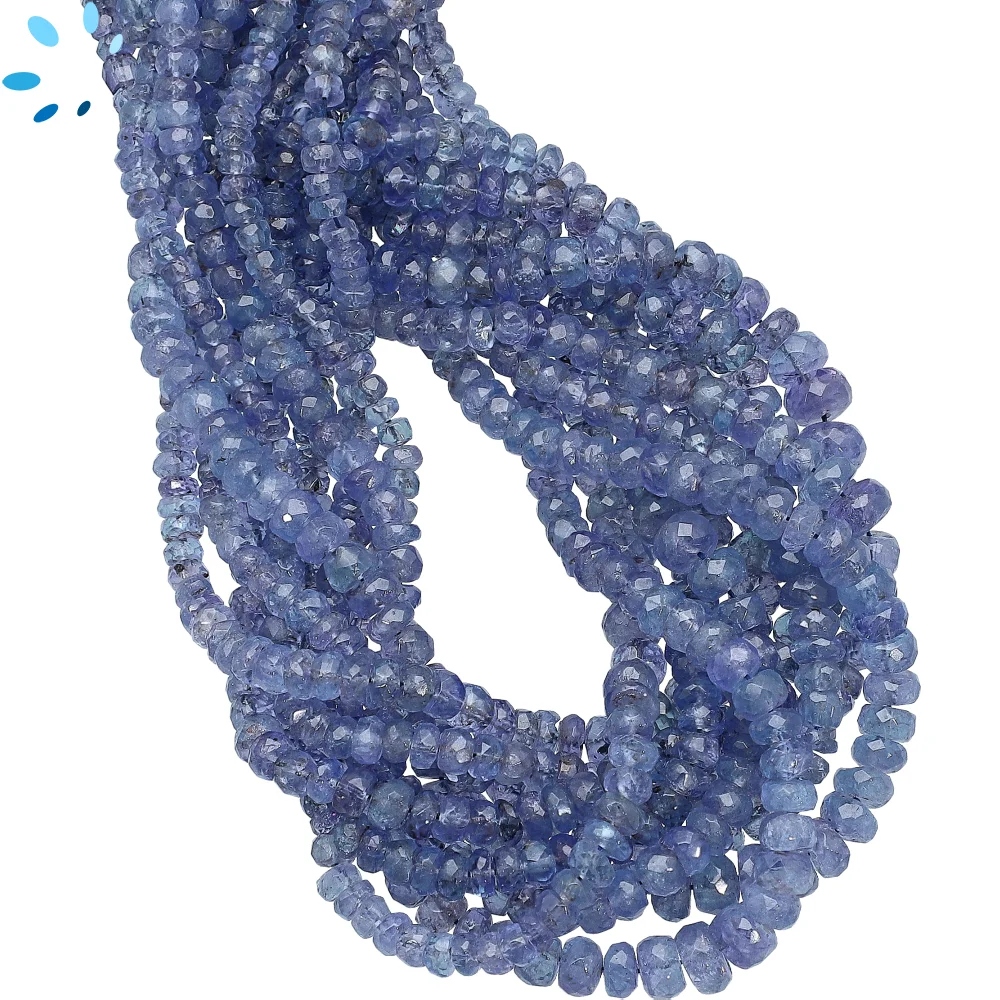
Simple, sweet, and sophisticated, yet a timeless trendsetter, Gems Ocean’s tanzanite beads for jewelry making instill confidence and shine into every look. From big moments to intimate celebrations, our tanzanite beads for sale can create edgy, feminine, and striking jewelry pieces that make heads turn. Our wide collection includes faceted tanzanite beads such as heart, pear, rondelle, drop, oval, and button shapes that are perfect for creating stackable bracelets, sleek necklaces, and bold rings to enrich your ensemble!
You can buy our natural tanzanite beads in bulk through our website. Tanzanite beads at Gems Ocean are competitive and wholesale, allowing you to craft masterpieces easily. So shop today!